The joining fee becomes a quoted, line-itemed sale the member agreed to, rather than a figure that differs between the brochure and the counter depending on who was on shift.
Gyms & Fitness Studios
Independent gyms, strength and conditioning studios, and boutique fitness operators where the person who signs a new member up is usually also the person collecting the joining fee, and where most of the revenue arrives quietly on the first of the month without anyone working for it.
The problem
The money arrives without a transaction, which is the whole difficulty. Nobody buys a workout, so there is no invoice to raise and no sale to record at the door — there is an agreement, and then the same amount on the same date every month for a year. A joining fee is a genuine one-off sale with a quote attached; the membership is not, and pretending otherwise produces a business that cannot answer a simple question about who is active. Then there are the decisions that a billing system cannot make for you: a member travelling for two months, a couple merging their plans, someone who wants to shift from one coach to another, a membership that should have lapsed and did not. Each is a judgement about a person, and each has a money consequence. Access is the other half of the day, and it is a gate problem, not an accounting problem.
A working day
The morning is quiet and the evening is the business. Coaches arrive, the floor fills, and the person on the front desk is doing four things at once: signing up a prospect, taking a joining fee, answering a message about a freeze, and pointing somebody at a locker. The renewal cycle is the real clock, and it runs without anyone asking: members whose agreement date falls this week either renew or quietly do not, and nobody notices the ones who have stopped coming until the counter asks. Class bookings fill up in a burst and then stop. A corporate tie-up or a bulk package brings in a lump of money and creates a set of people whose terms are not the same as everyone else's, which is exactly the kind of thing that gets remembered wrongly later.
How NoxOrigin fits this business
Every business runs the same sequence, from first contact to money in. NoxOrigin keeps each step tied to the last: Customer → Opportunity → Quote → Project → Work → Invoice → Payment.
The steps are the same. What changes is the words you use for them, the pressure at each one, and who is responsible for it. This is how it reads for gyms & fitness studios.
Enquiry, walk-in, and the plan
Customer → Opportunity
A person who walks in and asks about a plan is not a member yet, and the plan they are shown depends on which coach is on the floor and what is running that month. The enquiry has to hold what was discussed — which plan, which coach, which start date — because the joining fee is raised against it and the arguments later are about exactly those terms.
Plan and joining fee
Quote
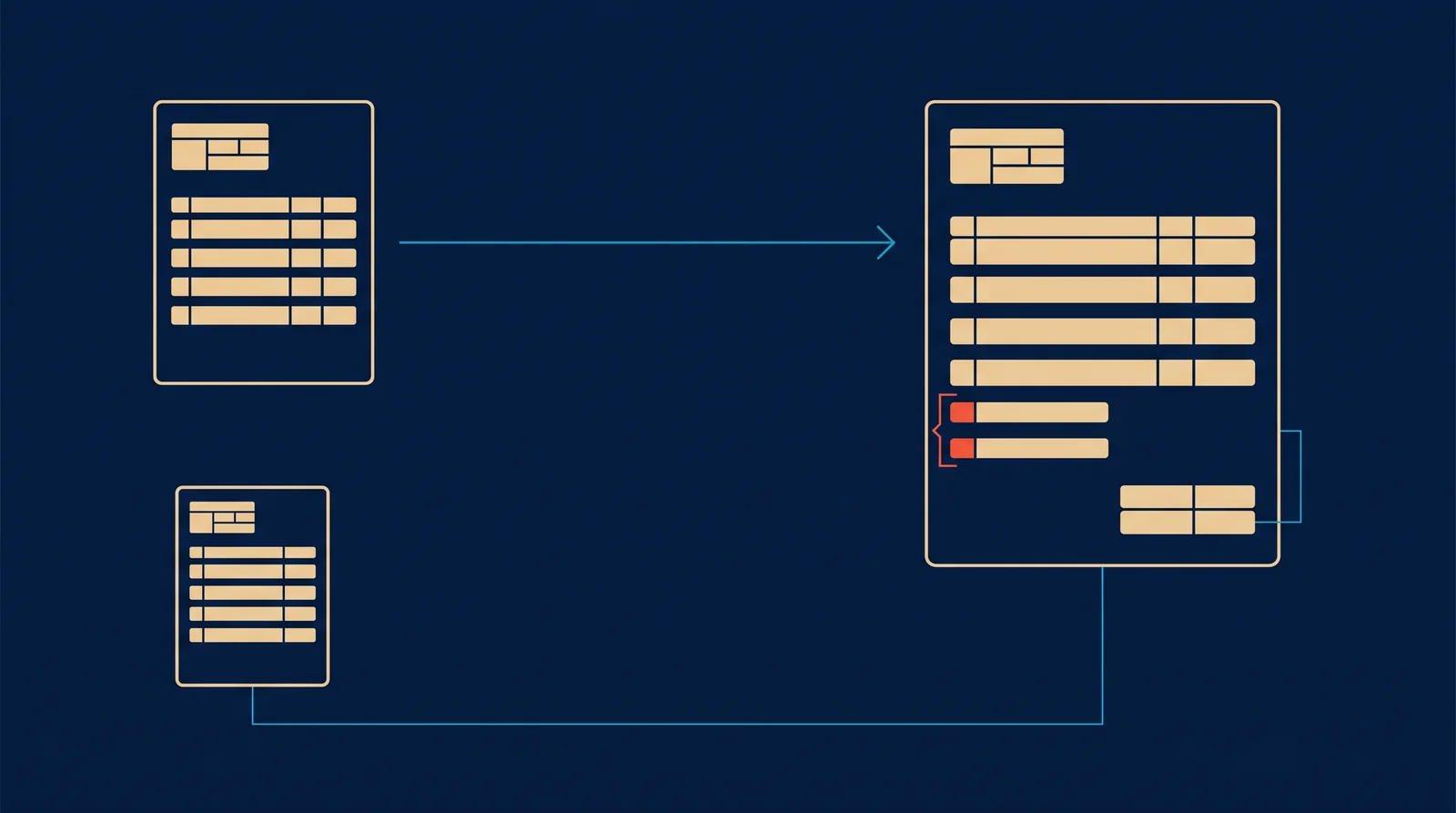
The joining fee is a real priced sale with real line items — the fee itself, the registration or handling charge, any kit or session pack, and what is being waived or discounted — and it has to be a quote the customer agreed to rather than a number typed at the desk. It is also the only moment in the trade where you are invoicing the customer directly for something you have already promised them.
The membership that follows
Project
Once the fee is taken, what the member has actually bought is an ongoing commitment with terms attached, and that agreement needs to exist as a live record with someone named against it. A change to the terms mid-cycle is a new quote on the same record, not an edit of what was agreed: there is no change-request record, no contract editor, and no e-signature, so the agreement and its evidence stay where the trade keeps them.
Delivering the service
Work
The sessions, the coaching, and the programmes are the thing the money was for, and they are recorded against the membership rather than against a per-visit bill. There is no timesheet record and no payroll module, so coach hours and class delivery are not captured by the system, and there is no attendance record either — it does not know who walked in on Tuesday, and it is not an access-control system.
Raising the membership invoice
Invoice
The recurring invoice is the entire commercial relationship, and it has to carry the terms the member actually agreed to, not a default plan. An invoice and a payment are different records, and the distinction is the honest part: the system can tell you what was invoiced and what came in, but it cannot tell you whether someone is using what they are paying for.
Payment, freeze, and transfer
Payment
Direct debit that fails, a freeze granted for a medical reason, a transfer to another branch, an upgrade mid-cycle, a downgrade, and a cancellation with a notice period are all money decisions, and only the first is automatic. Everything else is a human judgement with a consequence, and NoxOrigin records the resulting agreement and the payment against it — it does not make the freeze, and it does not decide what the remaining term is worth.
Whether the studio is healthy
Reports
Quoted against billed against collected, read next to how many memberships are actually active, is the only honest read on a recurring-revenue business. The question a studio cannot currently answer is how much of the income depends on people who have not come through the door this month, and a billing figure will not tell you.
What changes
What is different by next week.
A freeze, a transfer, or a plan change becomes a new quote on the same membership with the remaining term stated, instead of a discount quietly applied in the billing tool that nobody can explain in three months.
A failed direct debit or a promised payment gets a date and ages like a promise, so the members who will not pay are a short list someone works rather than a total that is quietly short.
The agreement the member actually holds and the one the studio is billing are checked against each other at the point a change happens, which is where most of the disputes in this trade start.
The coach the member pays for, the person who took the joining fee, and the person who approved the freeze are three named people on the same record, so an exception is a decision someone made rather than a mystery.
Who does what
Different people need different parts of the same information.
Everyone is looking at the same information. What changes is which part of it they are responsible for.
- Owner / managerDecides the plans and what they include, sets the joining-fee discount, and decides which exceptions — a freeze, a transfer, a waiver — are worth granting.
- Front deskRuns the walk-in, takes the joining fee, answers the freeze and transfer questions, and is the person who notices a member has stopped coming.
- CoachDelivers the sessions the membership pays for and reports what is actually happening on the floor, rather than what the plan promised.
- AccountsRuns the recurring invoices, records what came in, works the failed debits, and holds the age of every outstanding balance.
What software should not decide
NoxOrigin keeps the facts. You still make the decisions.
Keeping the facts in one place ends the argument about what happened. It does not make the decisions that were always yours to make.
- Whether to grant a freeze that was not in the terms when the agreement was signed. Granting it keeps a good member and opens an expectation that is hard to withdraw; refusing it costs the member and sometimes the referral they would have sent.
- Whether to hold the joining fee firm for someone who negotiated a lower rate elsewhere. Holding it keeps the price consistent for everyone and loses the walk-in; discounting it wins the member and makes the published price meaningless.
- Whether a membership that has not been used should be treated as active, paused, or lapsed. Treating it as active keeps the income and hides the problem; treating it as lapsed is honest and means chasing someone who may come back next month.
- Whether a coach leaving takes a group of members with them, or whether the members stay. Keeping them means retraining a floor and losing the coach's private clients; letting them go means the relationship goes with the person and the studio has to rebuild it.
- How long to carry a failed payment before the access stops. Chasing early is consistent and turns away people who recover; chasing late is forgiving and leaves the business financing its own members.
Free tools
What this trade tends to ask, answered with a calculator.
Retainer profitability calculator
What a monthly membership is worth against the hours and effort it actually consumes. A recurring fee is a retainer, and this is the same arithmetic applied to it.
Project profitability calculator
What the joining-fee sale — with the waived discount, the free sessions, and the setup time — actually earned. A calculation you run by hand, not a billing engine.
Where to look next
The product areas this depends on.
Customers & CRM
The walk-in, the plan that was discussed, the coach they were shown, and the person who will actually pay.
Quotes, Billing & Finance
The joining fee as a quoted sale, and the recurring membership invoice raised on the terms that were agreed.
Payment promises and ageing
Failed debits, short payments, and the balances that are still running, aged from the date they were promised.
Reports & Economics
Quoted against billed against collected, read next to how many memberships are actually active.
Before you look at pricing.
Is this a membership management or access control system?
No, and for this trade that is the most important thing to say first. NoxOrigin does not run memberships, does not issue member IDs, does not check anybody in, has no turnstile, no QR gate, no door release, and no class-capacity booking. It does not know who is in your building. If attendance and access are the problem you are trying to solve, that is a different product.
Does it collect recurring membership payments automatically?
No. Recurring billing, auto-debit mandates, standing instructions, and dunning are not part of it. What it holds is the recurring invoice raised on the terms you agreed, and the payments that come in against it, including part payments and a promised date for a balance. An invoice and a payment stay two different records, which is what makes a failed or short payment visible instead of invisible.
Can it decide a freeze, a transfer, or a pause?
No, and it should not, because that is a judgement about a person rather than a calculation. NoxOrigin does not know the remaining term, the notice period, the medical reason, or the member's history. It records the resulting agreement and the money attached to it as a new quote on the same membership, with the terms stated, and the decision stays with the person who makes it.
Is there a contract editor or e-signature for memberships?
No. There is no change-request record, no contract editor, and no e-signature, and the platform is not a place to hold signed membership agreements or waivers. What is recorded is the quote the member agreed to and the invoice raised from it; the signed agreement itself stays with your own paperwork.
What about coach payroll and the studio's expenses?
Not here. There is no timesheet record and no payroll module, and no expense tracking in the platform — expenses are a Nox-Billings capability, and coach hours are yours to keep. What the work record carries is the delivery against the membership, and what the reports give you is quoted against billed against collected next to how many memberships are genuinely active.