A guest who extends becomes a second quote against the same stay with the added night at its own rate, instead of an edited invoice that nobody can compare against the original agreement.
Hotels & Homestays
Hotels, homestays, and serviced apartments where the price is per room per night, the money is a deposit and then a balance, and a booking that arrived from a channel is a name on a reservation with no history behind it and no one to call it back.
The problem
A stay has a shape that most billing systems flatten. There is the night, the room, the number of nights, the extras that were added on the day, and the deposit that was taken over the phone or through a channel and has to be found again at checkout. Most of the trouble is not in the total, it is in the two-part money: the deposit is not a discount, the balance is not the full amount, and a system that expects one invoice for one visit quietly loses track of which movement is which. Then there is the guest. A direct booking has a name, a phone, and something to remember. A channel booking has a reference, an email that was never verified, and a commission that comes out later and belongs to somebody else's month. Most properties end up with the same guest existing twice, once as a walk-in and once as a channel confirmation, and no way to say they are the same person. Occupancy sits on top of all of it as the number the owner actually manages by, and it lives in a channel dashboard or a wall chart rather than anywhere near the money.
A working day
The day starts with arrivals that are already decided and departures that are not, and the morning is the argument about which room is actually ready. A checkout happens at a time the guest chooses, extras are added on the way out, and the balance is a conversation at a counter with someone holding a bag. Somewhere in the middle a guest reports that the room was not ready, or that the hot water did not work, or that the noise came from next door, and the person who has to decide whether to move them, discount them, or send someone up with a jug is the same person who is trying to clear the next arrival. A walk-in wants a rate that depends on how full the building is, which is a number the software does not know. A channel manager emails a change to a reservation that has already been confirmed, and the property has to decide whether to accept it. Then the evening is the same conversation as the morning with a different set of arrivals, and the night is the front desk holding the ledger of what was promised against what was delivered.
How NoxOrigin fits this business
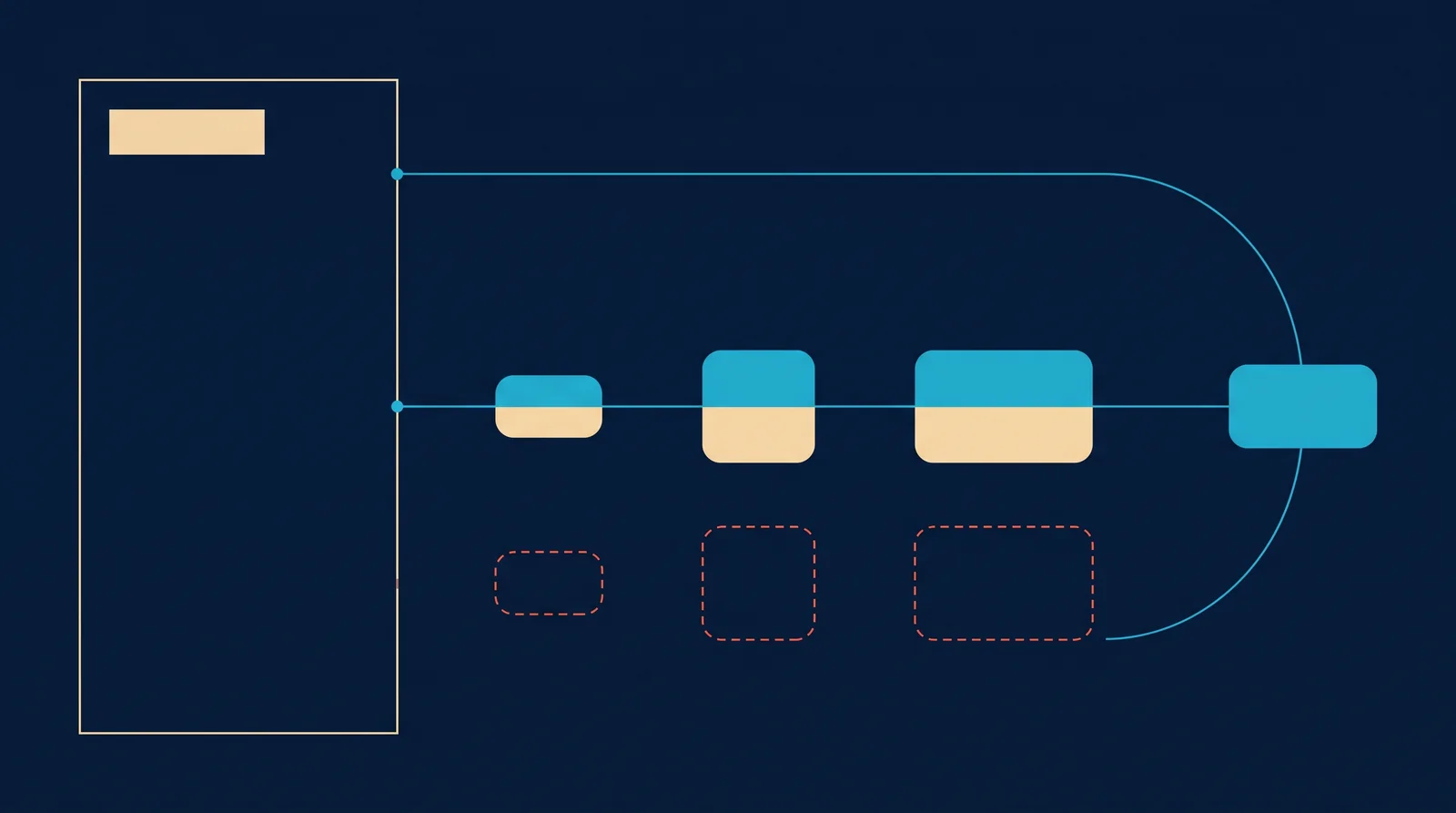
Every business runs the same sequence, from first contact to money in. NoxOrigin keeps each step tied to the last: Customer → Opportunity → Quote → Project → Work → Invoice → Payment.
The steps are the same. What changes is the words you use for them, the pressure at each one, and who is responsible for it. This is how it reads for hotels & homestays.
Enquiry, direct or through a channel
Customer → Opportunity
An enquiry has to land against a guest record with an owner and a next action, because a direct enquiry and a channel booking are both attempts to sell a night and only one of them has a relationship attached. Merge policy is a decision made at setup: duplicate detection flags candidates, a person reviews them, and nothing merges itself, which matters here because the same guest arriving twice is the normal case rather than the exception.
Rate quote for the nights
Quote
The quote is the stay written down: nights, room, the rate you decided to give, the extras as their own lines rather than a single adjusted total, and the deposit as a stated first movement. Extending a stay is a new quote on the same reservation with its own price. There is no e-signature and no contract editor, so a rate confirmation sent over a channel is still a document you keep wherever you keep documents, and the platform holds what you decided rather than what the guest signed.
The stay
Project
Once the quote is accepted the stay becomes the live record with its dates, its room, and the specification it was accepted against, so an extra night or a different room is visible as a change rather than discovered at checkout. A change mid-stay is a new quote on the same project. There is no change-request record, no milestone record, and no deliverable record, and nothing here tracks occupancy, room status, or a housekeeping board.
The stay as delivered
Work
The work is what actually happened: the nights stayed, the rooms cleaned, the linen changed, the maintenance attended to, the guest complaint written down with a cause. It is the only place the operational cost of a stay can be recorded by someone who saw it, and it does not reach the guest invoice unless you put it on one. There is no timesheet record and no payroll module, so the hours a housekeeper spent are a number a person knows rather than something the system measured.
Balance invoice
Invoice
The bill is the quote's own structure less the deposit already received, with the extra nights and the extras as their own lines so a guest disputing one of them is disputing a line rather than the whole stay. An invoice and a payment are different records, and here the distinction is the whole point: the deposit is a payment against a quote, the balance is an invoice that only exists because the deposit happened first.
The two payments
Payment
Money lands against the specific stay, in a mix that can include cash at the counter, a card machine that settled overnight, UPI, and the channel's own remittance that arrives later and belongs to a different month's cash. Both movements are payments on the same reservation, which is what lets the outstanding figure mean something on the morning after checkout instead of being the full rate for a stay that was already half paid.
Where the margin actually went
Reports
Quoted against billed against collected by property and by booking, and the number worth adding is occupancy, which you read from your own record and enter yourself because NoxOrigin does not hold a room or a night. Channel commission belongs on the booking it belongs to rather than in a month-end adjustment, so the true figure for a direct night and a channel night can be read separately, and the deposit sitting unadjusted against a cancelled stay is visible as an outstanding balance with no stay behind it.
What changes
What is different by next week.
The deposit and the balance are two records with a relationship, so the money that has already arrived is a fact on the stay rather than a memory at the counter, and the outstanding on checkout is what is genuinely left.
Extras added on the day are their own lines on the balance invoice, so a guest disputing one item is disputing that item and the rest of the bill still stands.
A room change or a relocation becomes a visible entry on the same project with the reason on it, which is the record a review platform or a returning corporate guest will eventually ask about.
The person who approved the rate, the person who checked the guest in, and the person who authorised the waiver are three named people on the same stay, which is what makes a disputed charge survivable.
Who does what
Different people need different parts of the same information.
Everyone is looking at the same information. What changes is which part of it they are responsible for.
- Front desk and reservationsTakes the enquiry, decides the rate, confirms the nights, records the deposit, and adds whatever the guest decides to add on the morning of departure.
- Housekeeping and floor staffTurns rooms, reports what a room actually needs, and writes down the fault that will decide whether the next guest is compensated — without holding pricing or payment permissions.
- Owner or duty managerDecides the rate on a full building, approves the waiver and the relocation, and owns the margin the property was priced to return.
- AccountsRaises the balance invoice, records each payment against the stay it belongs to, chases the channel remittance, and reconciles the deposit that was never adjusted at checkout.
What software should not decide
NoxOrigin keeps the facts. You still make the decisions.
Keeping the facts in one place ends the argument about what happened. It does not make the decisions that were always yours to make.
- Whether to give a rate that fills the night or hold the rate you published. Discounting wins the booking and costs the margin on a room that had a price; holding it is honest and loses the night to a property across the road.
- Whether to take a channel booking at all once the commission is netted out. Taking it fills the property and pays a third of the room price to somebody else; refusing it keeps the whole rate and leaves the room empty on a night that would otherwise stand.
- Whether to move a guest, discount them, or solve the problem with a gesture. Moving costs a room on a night that may be full; discounting is a decision on the record; the gesture is cheaper and never appears in any report.
- Whether to treat a second booking by the same name as the same guest. Merging is convenient and the guest does get recognised; keeping them separate is how you notice that a channel booking is quietly becoming your repeat business.
- Whether to take a property whose channel terms require a settlement report you will never match line for line. Taking it fills rooms; declining it is clean and quiet and leaves the easiest revenue on the table.
Free tools
What this trade tends to ask, answered with a calculator.
Quote estimator calculator
What a night actually earns once the cost of turning the room, the linen, and the channel commission are in the price you intend to give — before you discount it to fill the night.
Receivables aging calculator
Where the balance sits by age when a guest has taken the deposit and left, or when a channel has taken its time remitting. A calculation, not a collection record.
Where to look next
The product areas this depends on.
Quotes, Billing & Finance
A stay quoted as nights and room with the deposit as a stated first movement, and the balance invoice raised against what is genuinely outstanding.
Customers & CRM
Direct enquiries, channel bookings, and corporate accounts on one guest record, with duplicate candidates flagged for a person rather than merged.
Customer Payment Tracking
Deposit, balance, part payment, and channel remittance on the same stay, with recorded promises against the date they were made.
Reports & Economics
Quoted against billed against collected by property and by booking, with channel commission on the booking it belongs to rather than in a month-end adjustment.
Before you look at pricing.
Is it a property-management system, and does it connect to channel managers?
No. There is no property-management module, no channel-manager integration, no reservation engine, no room grid, and no availability calendar. Inventory sync with an online travel agent or a booking platform stays with your channel manager; what the platform holds is the customer, the quote for the nights, the stay, the balance invoice, and the payments, including the deposit and the payment that came through a channel later.
Does it track occupancy?
No, and it is worth saying plainly because occupancy is the number a property is run on. Rooms, nights, arrivals, departures, and housekeeping state are not records here. You can enter the occupancy you recorded in your own system and read it in reports beside the money, which keeps the number in the conversation without pretending the platform measured it.
How are deposits and part payments handled?
A deposit is a payment recorded against the stay, and the balance invoice is raised against what is actually outstanding rather than the full rate. Partial payments work the same way, which is what a property taking a booking from a channel or an agent needs. Invoice and payment stay two different records, so a deposit that was never adjusted at cancellation shows up as an outstanding balance with no stay behind it instead of disappearing.
Can it hold guest history, preferences, and repeat bookings?
It holds the guest record and everything quoted, worked, invoiced, and collected against it, so a returning guest's history is a property of the record rather than a separate note. It does not hold a guest profile, a preferences sheet, a loyalty scheme, or a channel-returned profile, and duplicate detection only flags candidates: a person decides whether two names are one guest, nothing merges on its own.
Does it track housekeeping, maintenance, and staff time?
No. There is no housekeeping board, no maintenance module, no timesheet record, and no payroll. Operational events belong on the work record so a fault, a relocation, or a complaint has a place to be written down; there is no expense tracking in the platform, since expenses are a Nox-Billings capability and purchasing sits in Commerce.