A plan becomes priced line items before anyone agrees to it, so what was quoted and what was later billed can be compared without remembering a conversation in the chair.
Eye & Dental Clinics
Eye clinics and dental practices where a course of treatment is agreed as a whole, delivered across visits the patient may not all attend, paid for in instalments or in full on the first day, and where the diary that runs the chair is a separate system the practice already has.
The problem
A treatment plan is a quote that nobody intends to pay for in one go. It is priced across visits, the patient turns up for some of them, and the plan that was agreed in the chair becomes a sequence of smaller decisions about money. Most practice software treats that as a patient record with a balance attached, which answers the clinical question and hides the commercial one: what was quoted, what has actually been done, what has been billed, and what is still owed on a course that is only half finished. The parts that leak are not dramatic. A plan quoted with a stage the patient never agreed to. A part payment recorded as a payment in full because somebody ticked the box. A goodwill adjustment made verbally and never written down, so the same concession is offered again to the next member of the family. A course abandoned after two visits that nobody notices because a single large number was never collected. And the reminder problem, which is the one most software claims to solve and almost none of them should: who is due back, and when. NoxOrigin does not hold your patients, your clinical notes, or your diary, and it will not pretend that a business record is a medical one.
A working day
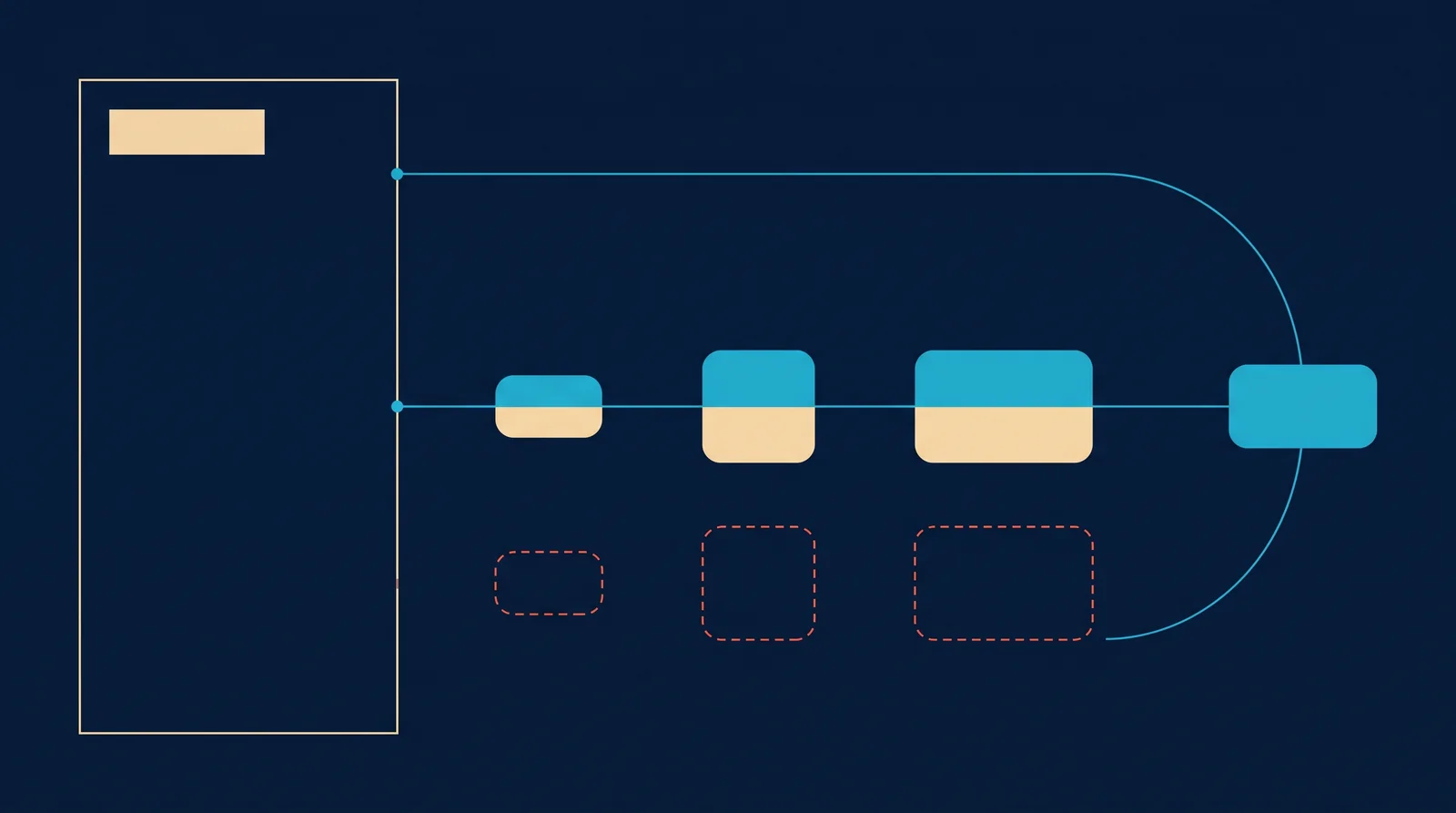
The day is the chair, and the chair is a constraint NoxOrigin does not manage. The receptionist turns an enquiry into a consultation, the clinician examines, and somewhere between the two a plan gets priced in a few minutes with the patient still in the room. Nobody asks how long the visit took, because the visit is not sold by the hour, and nobody writes a timesheet. Then the patient leaves, and some of them come back on the date the practice told them, and the ones who do not are the ones who matter, because their money is either still owed or was never going to arrive. Somewhere in the middle a patient asks for something the plan did not include, and the answer is not a note on the plan but another number, because the work has to be billed and the only honest way to bill it is to price it again. At the counter there is a part payment in cash and a panel claim that will take its own time, and both are money against an invoice that is still open. The evening is the same conversations with fewer people to have them with, and the day ends without anyone having written down which plans are half finished.
How NoxOrigin fits this business
Every business runs the same sequence, from first contact to money in. NoxOrigin keeps each step tied to the last: Customer → Opportunity → Quote → Project → Work → Invoice → Payment.
The steps are the same. What changes is the words you use for them, the pressure at each one, and who is responsible for it. This is how it reads for eye & dental clinics.
Enquiry and consultation
Customer → Opportunity
A phone call or a walk-in becomes a consultation with an owner and a next action, held against the person as a customer. It is deliberately commercial and thin: there is no patient record, no clinical record, no allergy list, no chart, and no diagnosis in NoxOrigin, because those belong in your clinical system and are the practice's responsibility to keep. What this record holds is who asked, what they asked about, who owns the conversation, and what happens next.
The treatment plan as a quote
Quote
The plan is a priced proposal before it is anything else: what is included, what is not, what is contingent on what the clinician finds, and what the whole course costs across the visits it will take. The line structure is the point, because it is what lets a bill be read back against the agreement months later without anyone reconstructing the conversation from memory. There is no contract editor and no e-signature here — consent to treatment is a clinical act recorded in your records, and the plan is the priced version of what was discussed, not a signed agreement.
The plan as the live record
Project
Once accepted, the plan is the record the rest of the chain attaches to, carrying the stages the patient will return for and the value still to come. It does not know what is in the diary: there is no appointment or scheduling engine, no chair availability, and no reminder that fires because a date is approaching. There is no milestone record and no deliverable record either, so a visit is not a stage the system checks off — it is a work record somebody writes. A change in what the patient needs mid-course is a new quote on the same plan, with its own price and its own line items.
What actually happened in the chair
Work
One work record per visit, carrying what was done and what it came to, attached to the plan, so a course of treatment reads as a series of visits with values rather than one number agreed months in advance. Chair time is not captured — there is no timesheet record and no payroll — so the visit is a thing done, not a duration measured. There is no recall automation either: nobody is contacted because a period passed, and a review that needs arranging is a person deciding to arrange it.
Bills across the visits
Invoice
The bill is raised from the plan's own line structure, so billed value can be compared against quoted value without anyone re-deriving it by hand. Billing a course in one go and billing it per visit produce completely different collection patterns, and only the second tells the practice what is genuinely being paid for and what is quietly being deferred to a balance that may never be chased.
Part payments, advances, and panel
Payment
Money arrives in parts, sometimes before the work, sometimes by a panel that settles on its own schedule, sometimes in full on the first visit and never again. An invoice and a payment are different records, so a part payment is money received against an invoice with a balance still open — the balance being the number the practice manager actually works from, and the reason a patient does not read as paid when they are not. A goodwill adjustment is a credit note against a record, not an edit to what happened.
Which plans get finished
Reports
Quoted against billed against collected, by plan and by patient, so the treatment people agree to and the treatment they pay for are two numbers rather than one story. The other half of that view is the plan that was quoted, started, and abandoned part-way through — visible only because each visit is its own record with a value on it, and worth looking at before the next one is quoted rather than after.
What changes
What is different by next week.
Each visit is its own work record with its own value, so a course billed across sittings stops being a single number that either arrives or quietly does not.
A part payment is money received against an invoice with a balance still open, instead of a paid flag on the patient that hides what is left.
A change in what the patient needs becomes a new quote on the same plan with its own price, rather than a line quietly added to the first plan nobody can now reconstruct.
A plan that was quoted, started, and not finished becomes a visible number rather than an impression the practice forms at the end of the year.
Who does what
Different people need different parts of the same information.
Everyone is looking at the same information. What changes is which part of it they are responsible for.
- ClinicianExamines, decides what is needed, and writes down what was actually done and what it came to, in terms the practice would recognise rather than from a fixed dropdown.
- Front desk and patient coordinatorTurns an enquiry into a consultation, raises the plan, explains the instalments, and is the person the patient calls when the balance does not match what they were told.
- AccountsRaises the bill from the plan's line structure, records what came in including panel receipts, and works the open balances, which is the only list that matters at the start of a day.
- Principal clinicianDecides what a plan should include, which concession to make and which to refuse, and reads the plan-level numbers nobody else has time to read.
What software should not decide
NoxOrigin keeps the facts. You still make the decisions.
Keeping the facts in one place ends the argument about what happened. It does not make the decisions that were always yours to make.
- Whether to present the whole plan at once or one stage of it. Presenting the whole course gets agreement in one sitting and turns an abandoned plan into a large loss; presenting it in stages keeps the loss small and makes the patient commit to each visit separately.
- Whether to discount a course to get it started. A discount that was never on the quote is a discount nobody can find later, and the practice ends up carrying it quietly for years while offering the same concession to the next person in the family.
- Whether to write off a small balance belonging to a patient who has moved away. Writing it off closes the file honestly and loses the pattern; keeping it open preserves a number that is unlikely to arrive and makes the outstanding look worse than the practice is.
- Whether to chase a part payment now or let the next visit settle it. Chasing early protects the cash and risks the relationship that the rest of the plan depends on; waiting keeps the goodwill and turns one small balance into a larger one.
- Whether to take a plan the practice cannot finish in house. Taking it commits the practice to referring work out and giving away part of a fee it already quoted; declining it is a clean answer and a patient who goes elsewhere for the whole course.
Free tools
What this trade tends to ask, answered with a calculator.
Slow lead response cost calculator for clinics and dental practices
What an unanswered enquiry may be costing you, built from your own assumed cool-off time rather than an industry average, with an honest note on what a rupee figure cannot tell a clinical practice.
Receivables aging calculator
Open patient balances bucketed by how old they are, so the instalments that drifted months ago are visible before they are written off by accident. A calculation to work from, not a collection system.
Where to look next
The product areas this depends on.
Quotes, Billing & Finance
The treatment plan as a structured quote, bills raised from its own line structure, GST treatment, and part payments against an invoice that stays open until the balance is settled.
Invoice and payment tracking
Open balances, dated payment promises, and ageing by invoice, so a part payment never leaves a patient reading as settled when they are not.
Service contract and renewal
An ongoing check-up or review arrangement is recurring money with no invoice per visit, so the renewal is a new quote on the same customer rather than an automatic charge.
Project profitability
Quoted value against billed value per plan, which is the only honest way to see a plan that was agreed in full and delivered in part.
Before you look at pricing.
Is this a patient management system?
No, and the difference is not a matter of depth. NoxOrigin holds no patient record, no clinical record, no chart, no diagnosis, and no medical history, and it is not a substitute for the clinical software you already run. There is no appointment or scheduling engine either, so the chair's diary, the chair's availability, and the slot a patient was given are not things this platform holds. What it holds is the commercial side: the enquiry, the priced plan, the visits, the invoices, and the payments.
Will it remind patients who are due for a review or a recall?
No. There is no recall automation and no scheduling engine, so nothing here contacts anybody because a date passed, and it is worth saying plainly rather than implying otherwise: a recall is a person deciding to contact a patient, and a system that sends those messages is a different product. An ongoing check-up or review arrangement is a new quote on the same customer when it renews, not an automatic charge on a date.
Does it track chair time, treatment time, or staff time?
No. There is no timesheet record, no time tracking, and no payroll module. A visit is recorded as work with a value attached to it, and the time it took is not captured by the platform — which is usually the right trade for a practice that bills by the procedure rather than by the hour, and is the wrong one for anyone hoping to measure chair utilisation from this.
How is a change to the plan handled — is there a change request or an amendment?
A change is a new quote on the same plan, priced with its own line items. There is no change-request record, no milestone record, and no deliverable record to absorb it quietly, and no contract editor or e-signature, so the agreement itself remains your document. Invoice and payment stay two different records, which is what lets a part payment, a credit note, and a goodwill adjustment all exist on the same plan without any of them pretending to be the bill.
How is this different from the page for clinics and healthcare practices?
That page is written for the wider practice, where a single episode of care is the unit of work. This one is written for the eye clinic and the dental practice, where the plan is the unit: the money is spread across visits the patient may not all attend, the constraint is the chair, and the interesting number is the plan that was agreed, started, and not finished. If your practice bills per episode, that page is the closer fit; if it quotes a course and lives with the instalments, this is the one.