A rewash becomes its own priced job with its cause attached, instead of a free rework that quietly disappears from the week and leaves you guessing how often it happens.
Laundry & Dry Cleaning
Laundry services, dry cleaners, and ironing shops where the price is a rate card times a count of individual pieces, the same hotel or clinic sends the same bundle every week, and the difference between a good week and a bad one is usually a stain that came out wrong or a shirt that never came back.
The problem
The work arrives as a bag and leaves as a number, and the number is only as good as the count. Somebody opens the bag at the counter, counts each piece, and decides from memory whether the collar needs special treatment or the stain is one the machine can take. That count is the whole invoice, and it is the first thing a customer disputes: they gave you fourteen shirts, they say, and you billed fifteen. Underneath the count there is the rate card, which changes for a bulk weekly customer, changes again for a hospital bundle, and is quoted in a way that assumes the counter person remembers every line on it. Then there is the exception, which is where the money and the reputation actually go. A garment comes back lighter than it went in, a button is off, a stain has set, or a piece does not come back at all, and the shop has to decide in a few minutes whether to rewash, reprint, refund, or argue. Most shops settle that conversation from memory, and it never reaches a number, which means the shop never learns whether the problem is one machine, one process, or one counter person. The last visit is the same conversation as the first, with another bag.
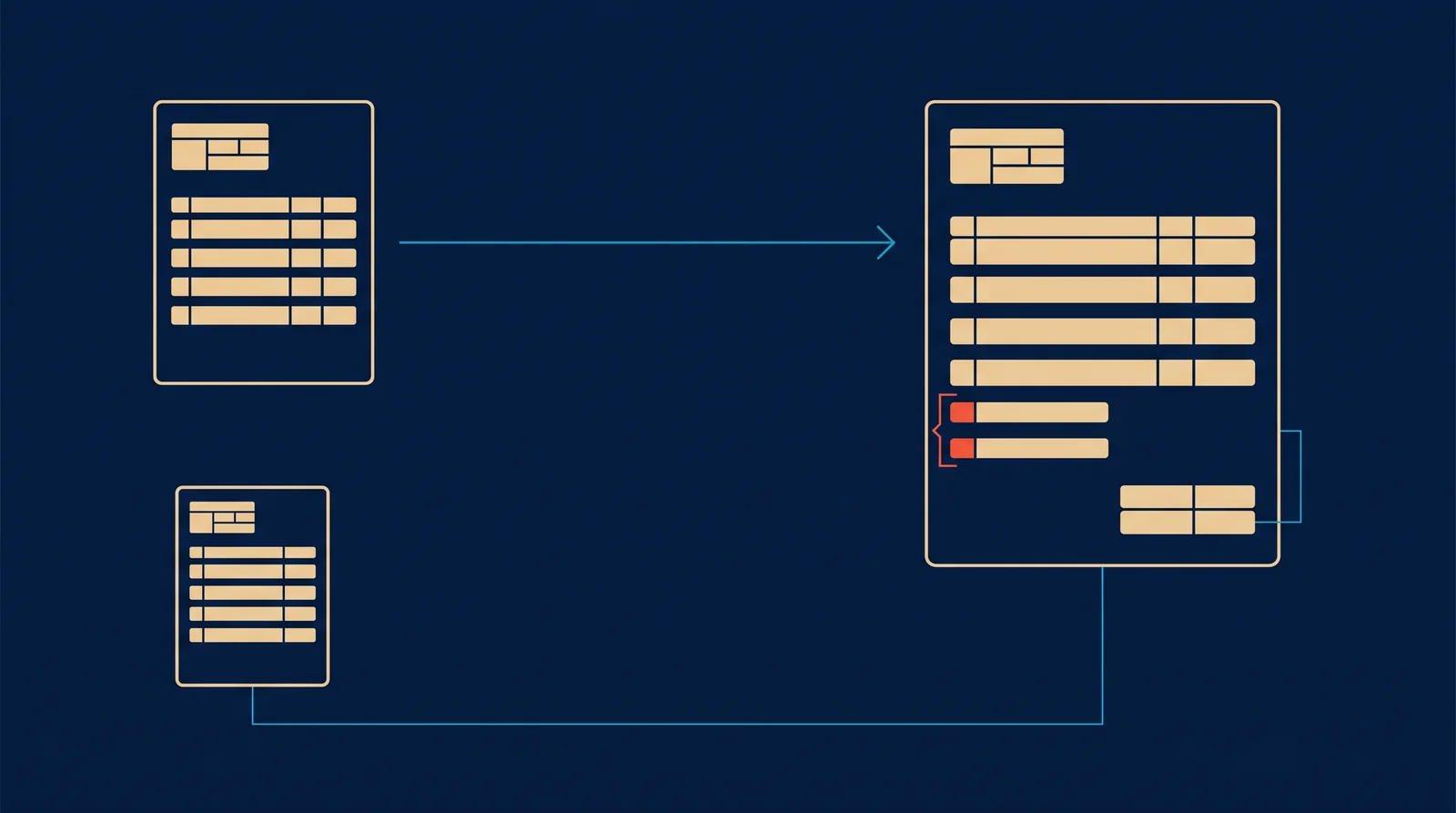
A working day
The morning is bags at the counter, and the bag is the specification. A hotel's laundry comes in at a fixed hour and goes back at a fixed hour, and if the count is wrong the invoice is wrong and the customer will find out before the shift ends. Somewhere on the floor a stain is being treated and a second attempt is already likely, which nobody has yet decided to price. A man comes in with one shirt he needs back tonight, and he is a different kind of customer from the contract hotel even though both of them are a count. Someone rings to say a garment was not in the bag, and the person who takes that call has to find out whether it was ever counted in, and if so which bag it went into, and if not who is going to answer for it. Then a printer or a garment factory calls with a bundle that has to be done by a specific morning, and the decision about which machine takes it is a business decision that nothing in the software makes. By evening the rewash and the reprint are both real jobs that have to be recorded as jobs, and the day's counts have to be carried into the morning.
How NoxOrigin fits this business
Every business runs the same sequence, from first contact to money in. NoxOrigin keeps each step tied to the last: Customer → Opportunity → Quote → Project → Work → Invoice → Payment.
The steps are the same. What changes is the words you use for them, the pressure at each one, and who is responsible for it. This is how it reads for laundry & dry cleaning.
Drop-off and the count
Customer → Opportunity
A new caller, a walk-in, or a contract hotel has to become a customer record with a named person, because a weekly bundle comes back every week and the person who counts it needs to know what the last count was. For a contract customer the weekly collection is a recurring opportunity with a real value rather than a transaction in a diary, and merge policy is a setup decision: duplicate detection flags candidates and a person reviews them, so two accounts for the same hotel are caught rather than silently combined.
Rate card times a count
Quote
The quote is the count and the card: pieces with their categories as separate lines, the special treatment as its own line, and the bulk rate visible so a weekly customer can see what the volume buys them. A recurring bundle is a recurring quote rather than a price somebody retypes, and adding pieces mid-week is a new quote on the same job. There is no e-signature and no contract editor, so a rate agreement with a hotel is a document you keep where you keep documents.
The job on the floor
Project
Once the quote is accepted the job is the live bundle with its pieces, its promised return time, and the treatment it was accepted against, so a piece discovered on the floor is visible rather than added quietly to the count. A treatment change or an extra piece is a new quote on the same job with its own price. There is no change-request record, no milestone record, and no deliverable record, and nothing here schedules a machine or holds a batch.
Washing, pressing, and the second attempt
Work
The work is the wash, the press, the stain treatment, and the rewash when the first attempt did not work, with the rewash written down against the job that caused it rather than performed out of goodwill and forgotten. It is the only place the operational cost of a job is visible, and it does not reach the customer's invoice unless you put it on one. There is no timesheet record, no machine-monitoring integration, and no payroll module, so the time a machine spent is a number a person knows rather than something the system measured.
Invoice for the pieces
Invoice
The bill follows the count that was actually taken, one line per piece category, with a reprint billed as its own job rather than absorbed into the original count, because a piece processed twice has been processed twice. An invoice and a payment are different records, and in this trade the distinction matters: a rewash can be billed, can be absorbed as a goodwill gesture, or can be a credit note, and the difference should be a decision on the record instead of a gap that quietly makes the job unprofitable.
Payment and the guarantee conversation
Payment
Money lands against the specific job, in a mix that includes cash at the counter, a card machine, and UPI, and for a hotel the payment arrives on a monthly cycle against an accumulating set of job invoices rather than against one bill. A compensated piece has to be either a payment reduction, a credit note, or a rewash that was billed, and which of those happened should be answerable a month later.
Where the margin actually went
Reports
Quoted against billed against collected by customer and by job, with the other half being the rewashes and the reprinted pieces and the absorbed claims, none of which appear in a billing report unless somebody raised a record for them. A count error and a treatment failure look identical in revenue and completely different in what they do to the week that follows, which is why the reprint rate and the compensation are worth having as their own visible numbers.
What changes
What is different by next week.
A reprint is billed as a second job on the same order with the first attempt still visible, so a customer who asks why they were charged twice gets an answer rather than an argument.
The count that was taken at the counter is the count that is invoiced, with each piece category on its own line, so a dispute about the number is a dispute about one line rather than about the whole bill.
A special treatment agreed at the counter becomes a line on the quote before the bag is closed, so the piece that needed it separately is not absorbed into a rate that assumed everything washes the same.
The person who counted, the person who processed the exception, and the person who authorised the compensation are three named people on the same job, which is what makes a claim conversation survivable.
Who does what
Different people need different parts of the same information.
Everyone is looking at the same information. What changes is which part of it they are responsible for.
- Counter and intakeCounts the pieces, decides the treatment, explains what will come back and when, and records the count the invoice will follow.
- Processing floorWashes, presses, treats, and reports what a piece actually needed rather than what the counter assumed, and raises the rewash when the first attempt failed.
- Contracts and accountsHolds the hotel or clinic relationship, the agreed rate card, and the weekly collection schedule, and turns a month of job invoices into one payment conversation.
- Owner or duty managerDecides what a claim is worth, whether a rewash is billed or absorbed, and whether a contract rate still earns once the rewashes are counted.
What software should not decide
NoxOrigin keeps the facts. You still make the decisions.
Keeping the facts in one place ends the argument about what happened. It does not make the decisions that were always yours to make.
- Whether to rewash, reprint, refund, or argue when a piece comes back wrong. Rewashing costs a machine cycle and usually works; refunding ends the conversation and costs the whole amount; arguing keeps the money and the customer is now telling people about it.
- Whether to count a piece that arrived in a bag that was not opened with the customer present. Counting it is honest and you have no defence; letting it go is faster and becomes the habit that makes a real dispute impossible to win.
- Whether to absorb a reprint to protect a contract account that sends a bundle every week. Absorbing is cheap against a weekly relationship and it accumulates quietly; billing it is correct and it is a conversation you have to be willing to have.
- Whether to quote the bulk rate a weekly customer expects or the rate the volume actually earns after rewashes. The lower rate wins the contract; the higher rate wins only if the counting has been right, and the difference between those two facts is invisible until somebody writes the rewashes down.
- Whether to take a bundle that has to be back the next morning. Taking it fills the machine and commits you to a process that fails at speed when the stain does not lift; declining it is a clean no and a visible gap in the week.
Free tools
What this trade tends to ask, answered with a calculator.
Quote estimator calculator
What a piece actually earns once the rate, the special treatment, the process time, and the reprint you expect to absorb are priced in — before you set a bulk rate for a contract that sends a bundle every week.
Scope change cost calculator
What an extra piece or an upgraded treatment costs before you agree it at the counter, and what the job needs to price at to hold your original margin. A calculation, not a change-request record.
Where to look next
The product areas this depends on.
Quotes, Billing & Finance
A rate card times a count, one line per piece category, with a reprint billed as a second job rather than absorbed into the original count.
Commerce
Detergent, solvent, hangers, and packaging across the shop, with receiving, transfers, and low-stock signals against the jobs that consume them.
Customer Complaint and Warranty
A stain that set, a button lost, a garment not returned: a fault on work already invoiced is a credit note, and a fault on work not yet invoiced is a new quote on the same job.
Reports & Economics
Quoted against billed against collected by customer and by job, with rewashes and absorbed claims as numbers somebody actually wrote down.
Before you look at pricing.
Does it track individual garments through the process?
No. There is no garment-tracking module, no RFID or barcode per piece, no tag printing, and no custody chain. What the platform holds is the job: the count by category, the treatment, the promised return, the rewash where one happened, and the invoice and payment that followed. If your process depends on tracking a specific shirt, that stays with your tags and your counter list.
Does it measure wash cycles, machine time, or staff hours?
No. There is no timesheet record, no machine-monitoring integration, and no payroll module. The work record carries the job — the wash, the press, the treatment, and the rewash someone decided to write down — and the time in the machine is a figure a person enters from knowledge of the run rather than something the platform measured.
How are a rewash, a reprint, and a compensation handled?
A rewash is work recorded against the job. A reprint is a new job with its own price, so the piece processed twice is visible as processed twice. A compensation is a payment reduction, a credit note, or a goodwill gesture that never appears in a billing report unless somebody records it. There is no change-request record, no milestone record, and no deliverable record to absorb any of it quietly, and invoice and payment stay two different records so a reprint can be billed and can also be absorbed, with the decision visible either way.
Can it handle a recurring weekly contract with a hotel or clinic?
It holds the customer, the agreed rate card as a recurring quote, the weekly bundle as a job, and the accumulating job invoices a monthly payment conversation is made of. What it does not do is schedule the collection, dispatch the driver, or count the pieces on the vehicle: the count that the invoice follows is the count somebody took, and keeping that count accurate remains the counter's problem, not the software's.
Can it track chemicals, machines, and stock?
Not automatically, and this is worth being blunt about: there is no expense tracking in the platform, since expenses are a Nox-Billings capability, and purchasing sits in Commerce. Solvent, detergent, hangers, and packaging are stock in Commerce with receiving, transfers, and low-stock signals. Cost per piece against a job is a figure a person records, and it only improves the business if somebody actually writes it down.