The bill is raised from what was served rather than from what was typed in an hour earlier, so a table that ordered four things and ate two is a smaller invoice with a visible reason behind it, not a mystery.
Restaurants, cafés, and delivery kitchens
Owner-run rooms and small groups — a café where the owner takes tables as well as the accounts, a restaurant with a kitchen and a counter on two different shifts, or a delivery kitchen that never seats anybody and bills all night.
The problem
An order is not an invoice until the table closes. The kitchen started the food, the counter took the order, and somewhere in between the amount changed — a dish went back, a second round was added, a courier fee was agreed at the door — so the number on the till is a record of an intention rather than of a sale. Underneath that, the two clocks disagree: the kitchen's night ends when the last plate goes out, the counter's ends when the last table leaves and the drawer is counted, and the person who owns the business is the one who has to reconcile them. A walk-in is not a customer, so most of the day's names are not worth keeping, while the regulars and the office orders are — and those live somewhere else entirely. Then there is what got thrown away. Nobody writes down the food that spoiled, so it disappears into the cost of the dish, and the price on the menu was set once, a long time ago, by somebody who is no longer there.
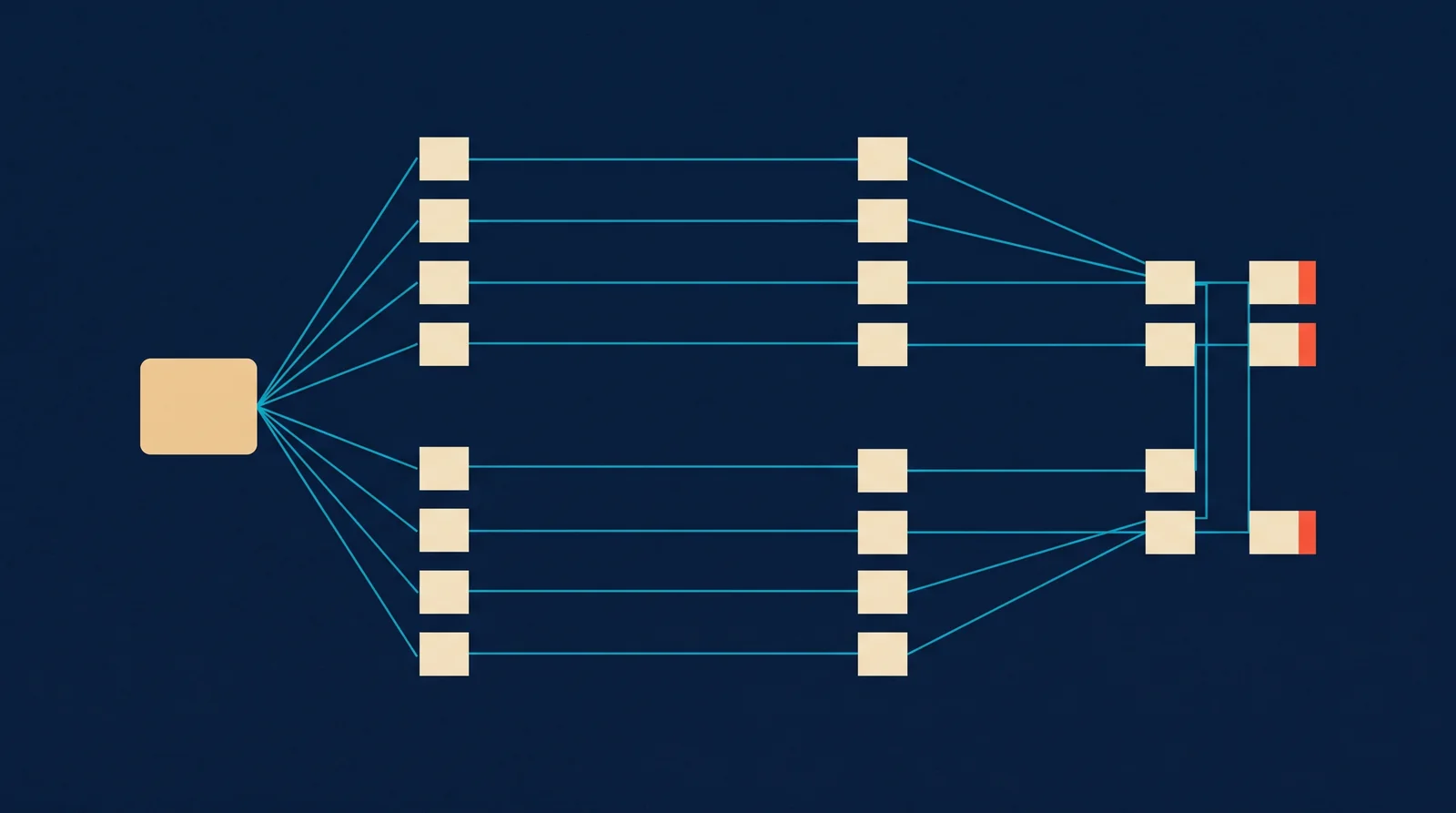
A working day
A table opens early. Two delivery orders come in before the kitchen is properly warm, one of them needs a change the counter cannot price without asking someone, a rider is waiting on a bag that is not packed, the card machine fails in the middle of service, and a manager wants to know whether to honour a discount the last manager used to give. Then it has to close, by tender, against what the system expected — and the answer has to be a number rather than an argument with the drawer.
How NoxOrigin fits this business
Every business runs the same sequence, from first contact to money in. NoxOrigin keeps each step tied to the last: Customer → Opportunity → Quote → Project → Work → Invoice → Payment.
The steps are the same. What changes is the words you use for them, the pressure at each one, and who is responsible for it. This is how it reads for restaurants & cafés.
Regular or first visit
Customer → Opportunity
A walk-in is a transaction and should be allowed to stay one. Putting every diner into the customer record buries the people who actually come back under a list nobody will ever work. The records that earn their place are the office that orders lunch every weekday, the family that comes on the same night each month, and the delivery customer whose order is worth remembering — because a repeat is something you can plan a menu around, and a walk-in is not.
Catering or bulk order
Quote
The one genuinely quoted thing in this trade is the order that arrives in advance: a birthday package, a function, an office supply of two hundred meals. It has a headcount that can move, a menu that can be substituted, a date, and a price agreed on the phone three weeks ago. That has to be a priced quote with line items and a tax treatment, because the argument about what was included always happens afterwards, when nobody can remember what was said.
The order or the function
Project
Once a booking or a bulk order is accepted it becomes the thing the kitchen and the counter both work from, and it needs the customer, the date, the promised items, and the people responsible — because a function has a start time that is not negotiable and a shortfall in the last hour cannot be fixed with a system. Something added during service is a new priced item raised against the same booking rather than a line scribbled on a printed docket.
Kitchen production and service
Work
What the kitchen produced, what came back, and what was never picked up are all real facts, and all of them have to land somewhere, because they are what makes the dish you keep making look like the dish it actually is. There is no timesheet record and no payroll module, so a shift is not captured as hours against the day: what is recorded is the work, and the labour figure that ends up in your own costing is a number somebody put there.
Bill at close of table
Invoice
This is the step the trade's own shape does not fit neatly, and pretending otherwise is how a good service becomes a disputed bill. The bill is raised when the table closes, from what was served and taken rather than from what was ordered at the start, with returns and comps visible as the things they are. Recording small adjustments against a running order is a different job from raising a quote, and it is done at the table by someone who will not be the person asked to explain it.
Tender and settlement
Payment
Cash, card, and UPI arrive in a mix, and the mix is a decision rather than a fact: what gets pushed at the table is what gets accepted, and those do not cost the same. The bill and the payment are separate records, so part now and the balance later is an amount received against a bill that is still open, carrying a date somebody promised, rather than a receipt that closes the sale and forgets the rest.
Day-end close and the menu
Reports
The day only becomes true when the drawer is counted against what was expected, tender by tender, and the difference is written down with a reason instead of being absorbed. After that the useful question is which items earn their place, and it is difficult to answer honestly because there is no timesheet record and no payroll: the figure you can trust is what a dish earned against what its ingredients cost, and the figure you cannot trust is anything that tries to include the person who cooked it.
What changes
What is different by next week.
Cash, card, and UPI each land against the bill they belong to, so closing the service is a comparison with a number in it rather than an argument about the drawer.
A table that says the rest comes next week becomes a promise with a date attached, and ages like one, instead of a receipt that never arrives.
The regular and the office account are the records somebody actually works, because a walk-in does not have to be turned into a customer to be served well — and the list that results is short enough to be read.
Wastage becomes an adjustment with a reason against it, so the dish everybody privately suspects is unprofitable can be looked at instead of argued about across a pass.
Who does what
Different people need different parts of the same information.
Everyone is looking at the same information. What changes is which part of it they are responsible for.
- Owner / managerApproves the discounts and the comps, watches the service, and reads the day by tender against what the drawer actually held.
- Counter and billing staffTakes the order, raises the bill at the table, records the tender, and does not settle a difference without the permission their role grants.
- Kitchen / service leadOwns what was produced, what was sent back, and what went in the bin, and reports the part of the day no till will ever show.
- AccountsReconciles the close, raises the invoices for office and function accounts, records what was remitted, and works what is outstanding by age.
What software should not decide
NoxOrigin keeps the facts. You still make the decisions.
Keeping the facts in one place ends the argument about what happened. It does not make the decisions that were always yours to make.
- Whether to give the discount that keeps a table loyal. A regular paying full price every week is worth more than a discount you gave once and cannot take back.
- Whether a dish is worth keeping at its current price, or whether the price is the thing that has to move. Both are reasonable and only one of them is free.
- When to accept a large booking you are not going to serve well, because saying yes to a function you will be short-staffed for costs more than the margin does.
- Whether a complaint is settled as a comp at the table or carried to the owner, and what that teaches the floor about what is allowed.
- Which member of staff should be able to approve more without asking. That is a permissions decision rather than a training one, and it is cheaper to get right early.
Free tools
What this trade tends to ask, answered with a calculator.
Retail day-end reconciliation calculator
What the counter expected to take against what is in the drawer, for a day whose tender is a mix of cash, card, and UPI. A calculation to run before the close — the close itself is assisted setup, not a switch.
Markup vs margin calculator
What a dish is actually priced at when you price it from food cost rather than from a margin, which is the conversation that gets skipped every time a menu price is simply inherited from the last one.
Where to look next
The product areas this depends on.
Commerce
Stock, purchasing, transfers between outlets, counter billing, and the adjustments that record what was binned.
Quotes, Billing & Finance
Where the function or office order is priced and the bill is raised at close, with the tender it was paid in.
Day-end reporting
Shift close, payment mix, expected cash against counted cash, and the variance written down with a reason.
POS for a multi-user counter
Separate logins, PIN access, discount thresholds, and per-person activity you can review after a service.
Before you look at pricing.
Is this a restaurant management system with table booking, kitchen display, and recipe costing?
No, and it is worth being straight about the list. NoxOrigin has no table or reservation record, no kitchen display or course routing, and no recipe, yield, or portion-costing model. What it carries is the commercial side of the room: the customer who is worth keeping, the booking or bulk order, the order as it was actually served, the bill raised at close, the tender it was paid in, and the close that reconciles.
Does it handle shifts, rosters, and staff wages?
Shifts are not captured and there is no payroll module, and the work record will not pretend to be either. Access is real, though: roles, workspace-scoped permissions, PIN entry, and per-person activity mean you can see who billed, who gave a discount, and what each person did during a service. What you cannot do is ask the system what a shift cost, because hours are not recorded against the day. Rostering and payroll are a different product, and buying this for them would be a mistake.
What about wastage and the food cost of a dish?
Wastage is a stock adjustment with a reason attached, recorded in Commerce against the item it came out of, so the cost of what was binned sits next to what was sold. Recipe costing, yield, and portion control are not part of it. Deciding what a dish should be priced at given its ingredients is arithmetic you can do yourself, and the discipline of what portion leaves the pass stays with your kitchen — the system is not going to catch an oversized scoop for you.
We have several outlets. Does each one close separately?
Yes, and this is the part worth setting up deliberately. Sites are held apart as branches and consolidated where you want them, so each location closes its own service with its own expected cash, counted cash, and variance before anything is read across the group. Be clear that day-end close and reconciliation is assisted-setup maturity rather than a self-serve switch: the shift boundaries, the cut-off, and the variance convention get set up and validated against your actual floor, because a convention that does not match the room produces a variance every night and gets ignored by the second week.
Does it file our GST returns or handle compliance for us?
No. Invoices are GST-compliant with a tax breakup, and the rate and your place of supply are configured for your business during setup rather than assumed, but NoxOrigin prepares invoices and reports — it files nothing, is not certified for any purpose, and is not a substitute for the accounting package that does the filing. Your own position should be confirmed with your adviser rather than inferred from a tax breakup on a bill.